Roof Moss Removalin Cheshire & the North WestClear the roof before the roof causes damage.
Moss, algae and lichen removed from tiles and slates without walking a fragile roof unnecessarily: gutters and valleys cleared of the debris that causes overflow, damp and repair bills, with fixed pricing agreed before we arrive.
Fully insured, DBS checked, and every roof photographed before and after so you can see what we found.
What roof moss removal actually involves
Roof moss removal is the controlled removal of moss, algae and lichen from roof coverings, together with clearing the gutters, valleys and downpipes that the removed material would otherwise block. It is the single most overlooked piece of exterior maintenance on North West properties, precisely because the homeowner rarely sees the roof up close.
Cheshire's damp, mild climate and the tree cover around many premium properties create close to perfect conditions for moss. Moss holds water directly against tiles and slates, and standing moisture is what drives frost damage, tile degradation, blocked drainage and eventually internal damp.
Our approach is removal first, treatment second: mechanical or controlled low-pressure removal appropriate to the covering, full clearance of the debris from gutters and valleys, then biocide treatment to slow regrowth. High-pressure jetting of a roof is rarely appropriate and frequently damaging.
Why professional work matters here
Roof work is the highest-risk exterior task there is. Beyond the obvious fall risk, walking an aged slate or concrete tile roof cracks coverings, and high-pressure jetting strips the protective granular surface from concrete tiles, dramatically shortening their life. Professional removal means correct access equipment, an appropriate low-impact method, full insurance in place, and the debris actually removed from the gutters rather than left to block them.
Who this is for
-
Owners of older and period properties
Slate and clay-tiled roofs where moss and lichen accumulate fastest and the covering is least tolerant of rough handling.
-
Properties under tree cover
Shaded roofs in Prestbury, Alderley Edge and Mobberley where leaf fall and low light accelerate growth.
-
Homeowners with gutter overflow
Where water is visibly running over the gutter edge or staining the wall below.
-
Commercial and managed buildings
Hotels, care homes, apartment blocks and retail units where roof drainage failures cause tenant-facing damage.
When it is needed
- Visible green or dark growth across tiles, especially on the north-facing pitch
- Moss fragments in gutters, downpipes or collecting on the driveway below
- Water overflowing a gutter during heavy rain, or staining running down the wall
- Damp patches internally at ceiling level or around chimney breasts
- Before winter, so blocked drainage does not meet the first serious freeze
- Prior to a property sale, survey or valuation
The cost of leaving it another season.
Moss on a roof is not an appearance problem that later becomes a structural one. It is a water-management problem from day one.
Blocked gutters and valleys
Dislodged moss washes into gutters and valleys, blocks the flow, and sends water down the elevation instead of into the drain: the most common cause of exterior damp staining.
Frost damage to tiles
Moss holds moisture against the covering. Water freezes, expands and delaminates the tile face. On concrete tiles that surface loss is permanent.
Internal damp and timber decay
Persistent overflow at the eaves saturates fascia, soffit and roof timbers, and eventually shows internally as ceiling staining.
Lifted and displaced tiles
Thick moss growth under tile laps can lift the covering and break the weather seal, giving wind-driven rain a direct route in.
Sale and survey problems
A visibly mossed roof invites a survey retention and a price negotiation far larger than the cost of clearing it.
Common mistakes we're called in to fix
- High-pressure jetting a concrete tile roof, which strips the protective granular finish and shortens its life by years
- Scraping moss off and leaving it in the gutters, which converts a roof problem into a drainage problem
- Walking a slate or fragile tile roof without proper access, cracking coverings on the way up
- Treating with biocide without removing the moss first: dead moss still blocks gutters
- Leaving it until winter, when frost turns a maintenance job into a repair job
Clearing a roof is routine maintenance. Replacing spalled tiles, rotted fascia and a damp-damaged ceiling is not.
Five steps, agreed before we start.
Roof survey & fixed quote
Covering type, pitch, access and growth severity assessed, gutters and valleys checked, and fixed itemised pricing issued before anything is booked.
Safe access & protection
Correct access equipment set up, ground-level areas protected, and debris routes planned so what comes off the roof does not end up on the patio or in the borders.
Controlled moss removal
Moss, algae and lichen removed by the method suited to the covering, never high-pressure jetting where it would strip or damage tiles.
Gutter, valley & downpipe clearance
All displaced material cleared out of gutters, valleys and hoppers, and downpipes checked to flow freely. This step is the one most often skipped by others.
Biocide treatment & verification
Biocide applied to slow regrowth, full walk-round with before-and-after photographs, and honest reporting of any damage or repair we noticed while up there.
Specific outcomes, not vague promises.
Drainage restored
Gutters, valleys and downpipes actually flowing, which is what stops damp appearing on your walls and ceilings.
Roof life extended
Removing moisture-holding growth reduces freeze-thaw damage and tile surface loss.
Damage found early
We photograph what we see up there: slipped tiles, failed pointing, cracked flaunching, so you are not the last to know.
No unnecessary roof traffic
Access and method chosen to minimise walking on fragile coverings.
Kerb appeal restored
A clear roof visibly resets the appearance of the entire property from the road.
Risk stays with us
Fully insured work at height, carried out with proper access, rather than a ladder and a hope.
Materials, methods and where each applies.
Roof coverings and the right approach for each
The covering dictates the method entirely.
- Natural slate: brittle underfoot; minimal roof traffic, gentle removal, careful handling of nail fatigue
- Concrete interlocking tiles, never high-pressure jetted; the granular surface is protective and does not grow back
- Clay plain tiles and pantiles: porous and prone to lichen; controlled removal and treatment
- Fibre cement slates: surface-sensitive; low-impact removal only
- Flat and felt roofs: debris clearance and low-pressure cleaning, with outlets and rainwater points cleared
- Ridges, hips, valleys and flashings: inspected as part of every visit
Moss, algae and lichen are three different problems
Moss is a thick, water-retaining mat that physically blocks drainage and lifts tile laps. Algae is a thin dark film, mostly an appearance and moisture issue, common on north-facing pitches. Lichen bonds hard to the tile surface and is the most stubborn of the three, often requiring treatment and time rather than force. Identifying which you have determines both the method used and how quickly it will return.
Gutters, fascias and soffits
Roof cleaning that ignores rainwater goods is incomplete work. As standard we clear gutters, valleys, hoppers and downpipes of displaced material and check that water discharges properly. Fascias, soffits and uPVC can be soft washed at the same visit: the same access is already in place, so combining them is the efficient way to do it.
Biocide treatment and regrowth intervals
After removal, biocide treatment slows re-establishment by killing residual spores. Regrowth timing depends on aspect, tree cover, humidity and covering porosity: a south-facing, open-aspect concrete tile roof may stay clear for several years, while a shaded slate roof under mature trees in Prestbury or Mobberley will need attention far sooner. We give you an honest interval for your roof rather than a sales cycle.
Residential versus commercial roof cleaning
Domestic work is a single planned visit with access set up, cleared and removed the same day. Commercial roofs: hotels, care homes, apartment blocks, retail and industrial units across Greater Manchester and the North West: are scheduled around occupancy and trading, with method statements, wider access planning and drainage clearance across larger runs of gutter.
Where we work
Based in Cheshire, covering the whole North West. See the full service areas and coverage map , or get in touch to check your postcode.
- Wilmslow
- Alderley Edge
- Prestbury
- Knutsford
- Hale
- Bowdon
- Lymm
- Tarporley
- Mobberley
Roof Moss Removal, straight answers.
How much does roof moss removal cost?
It depends on roof area, pitch, covering type, access requirements and severity of growth. You receive fixed, itemised pricing before any work is booked, including whether gutter clearance and biocide treatment are within that figure; they normally are.
Will you damage my roof tiles?
No. We match method to covering and avoid high-pressure jetting on concrete tiles and fragile slates, because it strips protective surfaces. Roof traffic is minimised through correct access equipment.
Do you clear the gutters as well?
Yes. Removing moss from a roof and leaving it in the gutters simply relocates the problem. Gutters, valleys, hoppers and downpipes are cleared and checked to flow as part of the job.
How long does roof moss removal take?
Most domestic roofs are completed in one visit, typically a day or less depending on size, access and growth. Larger or complex roofs are scheduled accordingly and confirmed at quotation.
How often does a roof need moss removal?
Usually every three to five years, sooner on shaded roofs under trees or on north-facing pitches. Biocide treatment after removal lengthens the interval.
Is moss actually harmful, or just unsightly?
It is harmful. Moss retains water against the covering, which accelerates frost damage, and it blocks gutters and valleys, which is a leading cause of damp on external walls and ceilings.
Will you tell me if you find damage up there?
Yes: slipped tiles, failed pointing, cracked flaunching or damaged flashings are photographed and reported to you honestly, whether or not it is work we would carry out.
Do you work at height safely and are you insured?
We are fully insured for residential and commercial work and use appropriate access equipment for the roof in question. DBS checked, too, so you know who is on your property.
Can you do it in an emergency, such as a blocked gutter overflowing?
Call 07549 064190 and we will tell you honestly how quickly we can attend. Overflow and blockage issues are prioritised because the damage compounds daily.
Which areas do you cover?
Based in Cheshire, covering the whole North West: Wilmslow, Alderley Edge, Prestbury, Knutsford, Hale, Bowdon, Lymm, Tarporley, Mobberley and beyond into Greater Manchester, Merseyside, Lancashire and North Wales.
Related services
Soft Washing
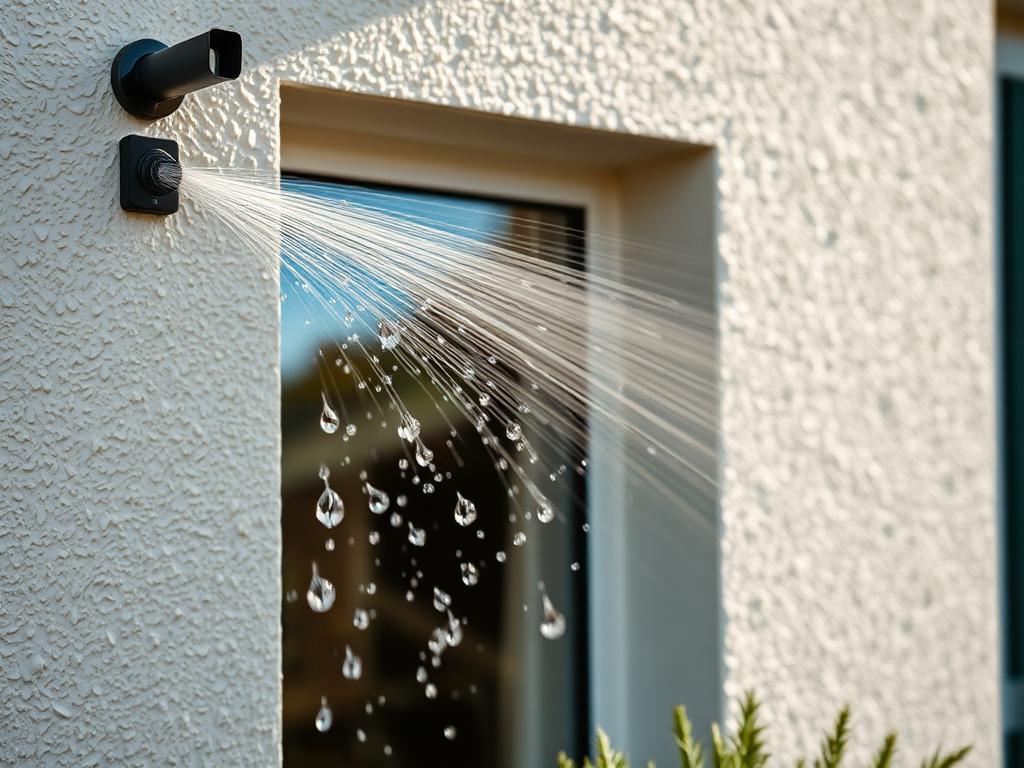
Algae, mould and organic staining removed from render, brick, cladding and delicate substrates at a fraction of the pressure: killing the growth at the root so the elevation stays clean for years rather than weeks.
View service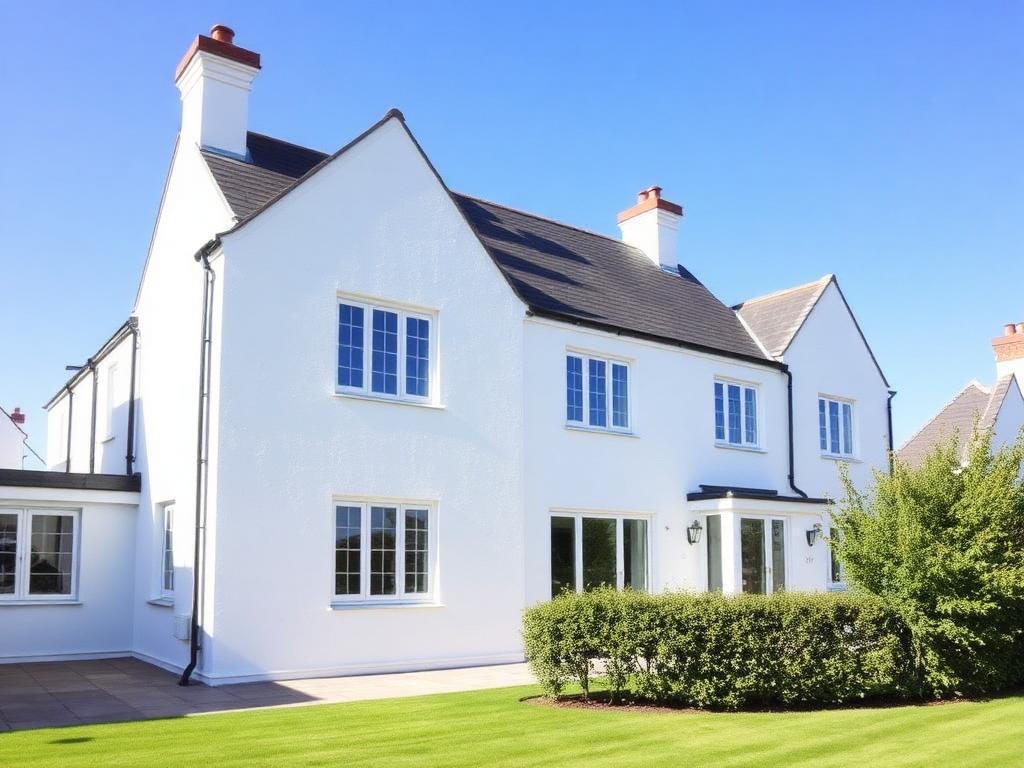
Render Cleaning
Green streaking, black staining and algae removed from K-Rend, silicone and monocouche render by soft washing: no pressure forced into the substrate, no patchwork finish, and a result that holds for years rather than a season.
View service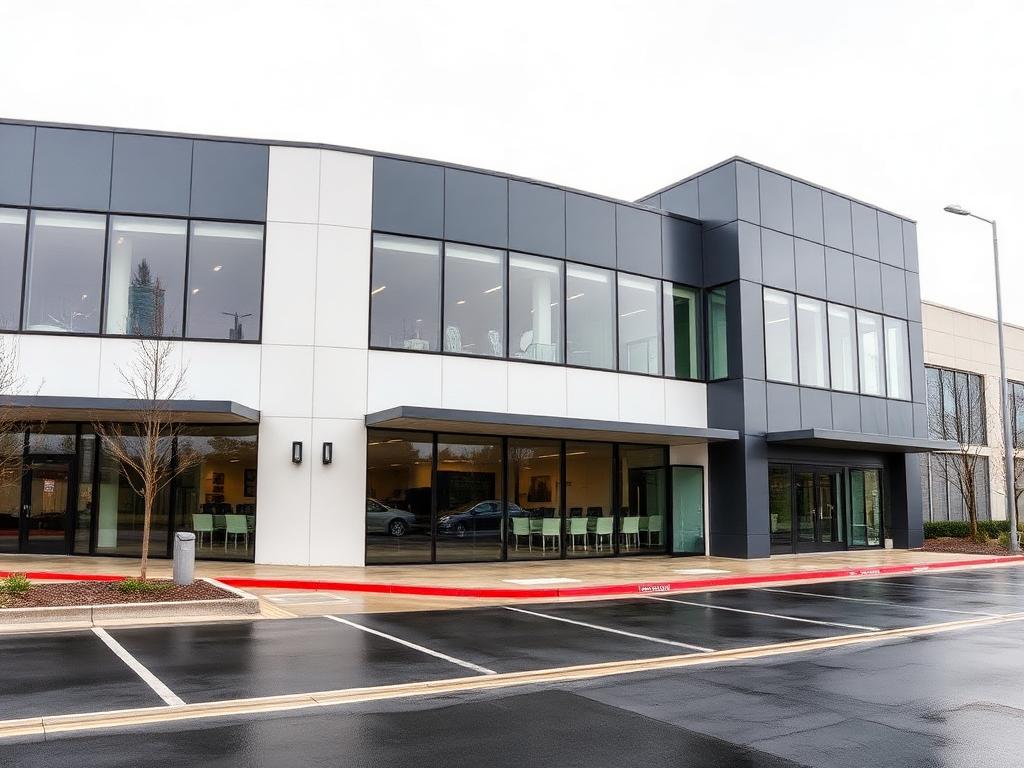
Commercial Exterior Cleaning
Forecourts, elevations, car parks and entrances cleaned on a schedule that fits your trading hours: reducing slip liability and presenting a building your customers, guests and inspectors judge you by, all under fixed itemised pricing.
View serviceBack to the homepage for our full range of exterior cleaning services across Cheshire and the North West.
Clear the roof now, or pay for the damp later.
Send a photograph from ground level and we will come back with fixed, itemised pricing including gutter clearance and treatment.
- Fully insured & DBS checked
- Fixed, itemised pricing
- Before-and-after photos every job