Brick Cleaningacross Cheshire & the North WestBrickwork cleaned without wrecking the pointing.
Decades of algae, carbon soiling, efflorescence and staining removed from brick elevations using controlled low-pressure and heat, restoring the brickwork's original colour without blowing out mortar joints or opening the wall to water.
Fully insured, DBS checked, and every job photographed before and after.
What brick cleaning actually involves
Brick cleaning is the removal of biological growth, atmospheric soiling, efflorescence, mortar smears and staining from masonry elevations, boundary walls, chimneys and features. Done well, it recovers the colour and texture the brickwork was built with. Done badly, it erodes mortar joints, opens the face of soft bricks and leaves the wall wetter and more vulnerable than before.
Our method leads with the lowest effective intervention: soft washing and heat first, controlled pressure only where the substrate genuinely tolerates it, and targeted treatments for specific contaminants such as efflorescence, lime bloom, iron staining and carbon deposits. Every elevation is tested in an inconspicuous area before the whole wall is committed to.
The finished result is even across the elevation: no bright patches where the lance lingered, no eroded joints, no ghost outlines around downpipes and window heads.
Why professional work matters here
Brick is not one material; it is fired clay of varying hardness bedded in mortar of varying softness, and the mortar is almost always the weakest element. High pressure removes lime mortar far faster than it removes dirt, which is how homeowners end up needing a full re-point after a weekend of cleaning. Professional work identifies the substrate, tests, selects the gentlest effective method and controls run-off, so the wall is cleaner and no less weathertight than before.
Who this is for
-
Period and heritage properties
Victorian and Edwardian brickwork in Cheshire and Greater Manchester where soft handmade bricks and lime mortar cannot take aggressive jetting.
-
Modern homes with green elevations
North-facing and shaded walls where algae has turned the brickwork green and black over several seasons.
-
Commercial and mixed-use buildings
Frontages and elevations where carbon soiling, traffic film and graffiti undermine the impression the building makes.
-
Recently built or extended property
Mortar smears, cement haze and efflorescence removed from new brickwork once it has cured.
When it is needed
- Green or black algae film across a shaded or north-facing elevation
- White efflorescence salts blooming across the brick faces
- Dark carbon and traffic soiling on a roadside frontage
- Mortar smears and cement haze left behind after building work
- Staining tracks beneath a leaking gutter, downpipe or window cill
- Ahead of a sale, valuation, re-pointing programme or repainting of joinery
The cost of leaving it another season.
A dirty wall looks neglected. A badly cleaned wall costs money, because the damage is structural rather than cosmetic.
Eroded pointing lets water in
Once mortar joints are washed back, wind-driven rain penetrates the wall. Damp on internal walls follows, and re-pointing an elevation is a scaffolded job.
Damaged brick faces cannot be undone
Blast the fired skin off a soft brick and the exposed body absorbs water, spalls in frost and continues to deteriorate.
Organic growth holds moisture
Algae, moss and ivy keep the wall permanently damp, accelerating frost damage and mortar decay.
Staining becomes permanent
Iron, carbon and tannin staining that would lift with the right treatment early becomes a fixed feature of the wall over years.
Efflorescence signals a live problem
Recurring salt bloom usually means water is getting into the structure. Cleaning the symptom without identifying the source solves nothing.
Common mistakes we're called in to fix
- Attacking brickwork with a domestic pressure washer on a pencil jet
- Using strong acid cleaners without testing, which burns brick faces and bleaches mortar
- Cleaning an elevation while gutters and downpipes are still leaking onto it
- Painting or sealing over damp, algae-covered brick instead of cleaning it first
- Ignoring efflorescence as cosmetic when it is evidence of water ingress
The cheapest brick cleaning is the one that does not also generate a re-pointing bill.
Five steps, agreed before we start.
Inspection & fixed quote
Brick type, mortar condition, contamination type and access assessed; itemised fixed pricing issued, with any pre-existing damage recorded and reported before work starts.
Test patch & method selection
A discreet area is cleaned first to confirm the gentlest effective combination of heat, pressure and chemistry for that specific wall.
Protection & preparation
Windows, joinery, planting and ground surfaces protected, run-off routes planned, and access arranged safely for the height involved.
Controlled cleaning
Soft washing or low-pressure hot water applied methodically across whole elevations to avoid patching, with targeted treatment of efflorescence, iron staining or carbon deposits.
Rinse, inspection & handover
Full neutralising rinse, joint condition inspected and reported, walk-round, and before-and-after photographs.
Specific outcomes, not vague promises.
Original brick colour recovered
Reds, buffs and multis return once the biological and atmospheric layer is removed evenly across the wall.
Pointing protected
Method chosen around the mortar, not the dirt, so you are not left with a re-pointing bill.
Drier, healthier walls
Removing growth lets masonry dry, reducing frost damage and internal damp risk.
Even, whole-elevation finish
Worked elevation by elevation so there are no bright patches or visible start-stop lines.
Problems reported, not hidden
Leaking downpipes, failed pointing and cracked cills are pointed out to you as we find them.
Fixed price and photographic record
Itemised pricing agreed in advance and documented results at completion.
Materials, methods and where each applies.
Contaminants and their correct treatments
Different staining requires different chemistry: pressure is rarely the answer.
- Algae and lichen: biocidal soft wash, killed at root level so regrowth is slow
- Carbon and traffic soiling: heat plus surfactant-led cleaning on roadside elevations
- Efflorescence and lime bloom: dry brushing and specific treatments, plus identifying the water source
- Iron and rust staining: dedicated rust remover rather than increased pressure
- Mortar smears and cement haze: carefully controlled acidic treatment with full pre-wetting and neutralising rinse
- Ivy residue and tannin: mechanical removal of anchors followed by biocidal treatment of the shadowing
Soft washing versus pressure on masonry
Soft washing applies a biocidal solution at little more than garden-hose pressure, kills the growth and lets the elevation weather clean over the following weeks. It is the correct default for period brick, lime mortar and any wall where the pointing is questionable. Controlled hot-water pressure has its place on sound modern brickwork and hard engineering brick where an immediate visual result is required. Most jobs use a combination, decided by the test patch rather than by preference.
Period property and lime mortar considerations
Older Cheshire and Manchester brickwork was built to breathe. Lime mortar is deliberately softer than the brick so that movement and moisture are handled by the joint rather than the brick face. Cleaning must respect that: no aggressive jetting, no impermeable sealers, no strong acid on soft handmade bricks. Where we find previous cement re-pointing or failed patch repairs, we report it so you can plan proper remedial work.
Residential versus commercial brickwork
Domestic work is usually about algae, staining and appearance ahead of a sale or after building work. Commercial elevations add carbon soiling, graffiti, chewing gum at entrances and higher access requirements, and are typically scheduled outside trading hours. Both are quoted per elevation so you can approve the whole building or start with the frontage that matters most.
Where we work
Based in Cheshire, covering the whole North West. See the full service areas and coverage map , or get in touch to check your postcode.
- Wilmslow
- Alderley Edge
- Prestbury
- Knutsford
- Hale
- Bowdon
- Lymm
- Tarporley
- Mobberley
Brick Cleaning, straight answers.
How much does brick cleaning cost?
Pricing depends on elevation area, access height, contamination type and the method required. Every quote is fixed and itemised per elevation before booking.
Will pressure washing damage my brickwork?
Uncontrolled pressure certainly can, particularly on lime mortar and soft period brick. We test first and use the gentlest effective method, which is often soft washing rather than pressure.
Can you remove paint or graffiti from brick?
Frequently, yes, using appropriate poultice or gel removers rather than abrasion. Success depends on the paint type and how long it has been there, which we assess before quoting.
What causes the white powder on my bricks?
Efflorescence, soluble salts carried to the surface by moisture. We can remove it, but recurring bloom means water is entering the structure and the source should be dealt with.
How long does the result last?
On a treated elevation, typically three to five years before growth is noticeable again. Shaded, north-facing and tree-covered walls green up faster than open, sunny elevations.
Do you clean chimneys and boundary walls too?
Yes. Chimneys, garden and boundary walls, piers and brick features are all quoted alongside the main elevations.
Will you damage my pointing?
Protecting the pointing dictates the method. Where joints are already failing, we tell you before we start and adjust the approach or recommend re-pointing first.
Is the process safe for planting and pets?
We use eco-friendly products, protect borders and planting, and control run-off. Keeping pets indoors during the work is sensible, and we will tell you when the area is clear.
Can you work at height?
Yes, using appropriate access equipment for the elevation. Access requirements are established at survey and included in the fixed quote.
Which areas do you cover?
Based in Cheshire and covering the whole North West: Greater Manchester, Merseyside, Lancashire, Cheshire and into North Wales.
Related services
Exterior Wall Cleaning
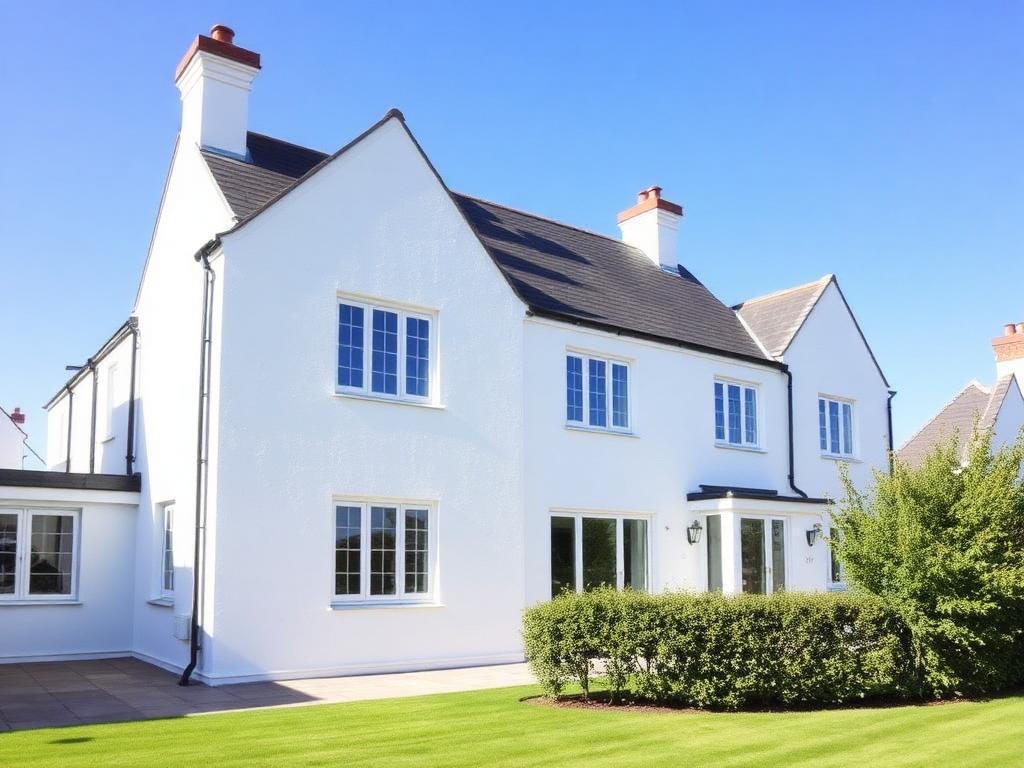
Render, brick, stone, painted masonry and cladding cleaned elevation by elevation: algae and staining removed at root level with low-pressure methods, so the finish is uniform and the wall is left drier than we found it.
View serviceRender Cleaning
Green streaking, black staining and algae removed from K-Rend, silicone and monocouche render by soft washing: no pressure forced into the substrate, no patchwork finish, and a result that holds for years rather than a season.
View service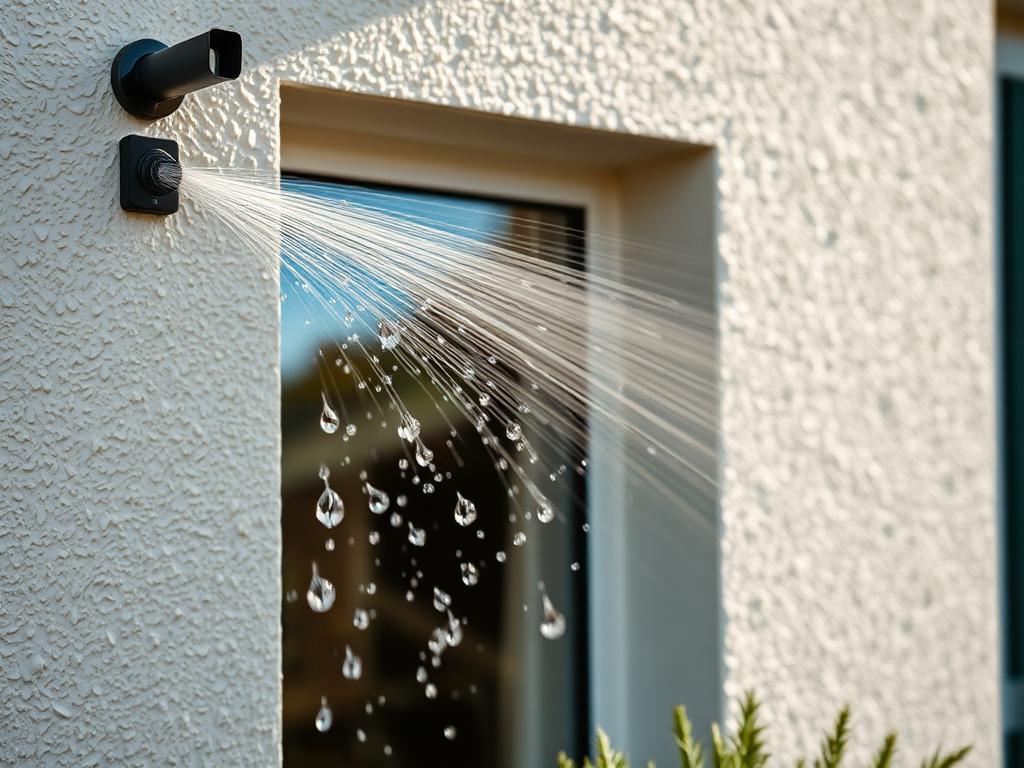
Soft Washing
Algae, mould and organic staining removed from render, brick, cladding and delicate substrates at a fraction of the pressure: killing the growth at the root so the elevation stays clean for years rather than weeks.
View serviceBack to the homepage for our full range of exterior cleaning services across Cheshire and the North West.
Brickwork that looks its age in a good way.
Send a photograph of the elevation and we will tell you what can realistically be recovered, which method suits the wall, and what it will cost: fixed and itemised.
- Fully insured & DBS checked
- Fixed, itemised pricing
- Before-and-after photos every job