Driveway Cleaningin Wilmslow & CheshireBlock paving restored, not blasted.
Get back the driveway you paid for: moss, algae, oil shadowing and black weathering removed in a single visit, joints re-sanded and stabilised, with fixed pricing agreed before we arrive and photographs of the result when we leave.
Fully insured, DBS checked, and every job photographed before and after.
What driveway cleaning actually involves
Driveway cleaning is the controlled removal of biological growth, ingrained dirt and surface staining from block paving, tarmac, concrete, resin-bound and natural stone drives, followed by the reinstatement that keeps the surface stable. Cleaning without re-sanding block paving is only half the job, which is why joint sand replacement is built into the way we work rather than sold as an afterthought.
We work from a van-mounted commercial hot-water system running up to 3,500–4,000 PSI at temperatures up to 120°C, paired with rotary surface cleaners. Heat is what separates a professional clean from a hired machine: it breaks down the oils, greases and organic binders holding dirt in place, so the pressure required at the surface is lower and the finish is even rather than striped.
The result is a driveway that reads as maintained rather than merely washed: uniform tone across the whole area, defined edges, clean joints and no lace-curtain wand marks across the paving.
Why professional work matters here
A domestic cold-water machine has enough pressure to scar paving but not enough heat or flow to remove what is causing the staining. The common outcome is a driveway that looks striped, has lost its joint sand, and is greener than before within a season because the biological root system was never killed. Professional cleaning controls three variables at once: temperature, pressure and chemistry, then puts the surface back together with the right kiln-dried or stabilising sand.
Who this is for
-
Owners of premium homes
Large block-paved or natural stone drives in Wilmslow, Alderley Edge, Prestbury, Knutsford, Hale and Bowdon where the driveway is the first thing anyone sees.
-
Properties being sold or valued
A clean, re-sanded drive changes the first photograph of a listing and the first impression at a viewing.
-
Managed and commercial premises
Car parks, forecourts and access roads where slip risk and appearance are both liabilities.
-
New-build and recently laid drives
Cement haze, laying dust and early algae removed correctly before they set into the surface.
When it is needed
- Green or black film returning across the surface, especially on north-facing or shaded runs
- Moss and weeds establishing in the joints between blocks
- Oil, tyre-rubber or diesel shadowing under parked cars
- Joint sand washed out, blocks rocking underfoot or edges migrating
- Slippery underfoot after rain: the clearest sign of algae, not dirt
- Ahead of a sale, valuation, event or seasonal reset in spring and autumn
The cost of leaving it another season.
A neglected driveway does not stay still. Organic growth holds moisture against the surface, and moisture is what causes the damage that costs real money.
Algae becomes a slip hazard
Wet algae on block paving or stone is genuinely slippery. On a sloped Cheshire drive with a step or two up to the door, that is a fall risk for family, visitors and delivery drivers.
Lost joint sand leads to movement
Once joints empty, blocks rock, edges creep and rainwater tracks into the sub-base. Re-laying a settled section costs several times what cleaning and re-sanding costs.
Weeds and moss open the surface up
Root systems widen joints and lift blocks. Left long enough, spot repairs turn into full lifting and re-laying.
Staining sets permanently
Oil, leaf tannin and rust migrate deeper the longer they sit. Removed early they lift cleanly; left for years they become part of the stone.
Frost damage in winter
Saturated, dirt-clogged paving holds water. Freeze-thaw cycling then spalls the surface of concrete blocks and flags.
Common mistakes we're called in to fix
- Hiring a cold-water machine and using a pencil-jet wand: the source of every striped, scarred driveway you have ever seen
- Cleaning block paving and never replacing the kiln-dried sand afterwards
- Household bleach on paving, which strips colour unevenly and damages surrounding planting
- Sealing a driveway that has not been fully cleaned and dried, locking the staining in under the sealant
- Waiting for the drive to look bad, when the cost curve rises the longer growth is left
Cleaning a driveway is maintenance. Re-laying one is a construction project. The gap between those two numbers is the whole argument for doing this properly and on time.
Five steps, agreed before we start.
Inspection & fixed quote
We assess surface type, laying pattern, drainage, staining type and edge condition, then issue itemised, fixed pricing before any work is booked. No day-rate creep.
Preparation & protection
Surface debris cleared, planting, drainage and adjacent surfaces protected, and a wash-out route planned so slurry never ends up on your lawn or in a neighbour's gully.
Hot-water cleaning
Rotary surface cleaner passes at controlled pressure and up to 120°C for a uniform finish, with hand-detailing to edges, kerbs, steps and awkward corners.
Treatment & reinstatement
Targeted treatment of remaining organic growth and staining, full rinse-down, then joint sand replaced and vibrated in where the surface calls for it.
Verification & handover
Walk-round with you, before-and-after photographs, plus honest guidance on sealing, drainage and how often this surface actually needs revisiting.
Specific outcomes, not vague promises.
One visit, complete result
Clean, treat, re-sand and tidy in the same visit: no partial jobs left to come back to.
Surface-safe by design
Technique chosen for the material in front of us, so pointing, edges and delicate stone are not sacrificed for speed.
Slip risk removed
Killing the algae rather than just rinsing it is what keeps the surface safe underfoot, not merely clean-looking.
Longer surface life
Re-sanded joints and clear drainage prevent the movement and frost damage that shorten a driveway's life.
Costs kept where they belong
Routine cleaning is priced in hundreds. Lifting and re-laying settled paving is priced in thousands.
Documented workmanship
Every job photographed before and after, so what you were promised and what you received are the same thing.
Materials, methods and where each applies.
Surfaces and materials we clean
Each material demands a different combination of heat, pressure, dwell time and chemistry. Getting that wrong is how driveways are damaged.
- Concrete block paving: the most common Cheshire drive; cleaned by rotary surface cleaner and always re-sanded
- Clay pavers: colour-stable but brittle at the arris; lower pressure, more heat
- Tarmac and asphalt: cleaned with wide-fan, reduced-pressure technique to avoid picking the bitumen binder
- Concrete, imprinted and pattern-imprinted concrete: deep clean plus advice on re-sealing where the original seal has failed
- Natural stone setts, granite and sandstone: soft-wash-led approach with hot water rather than aggressive jetting
- Resin-bound and resin-bonded surfaces: low-pressure hot rinse only; high pressure removes aggregate permanently
- Gravel and shingle edging, kerbs, steps and thresholds: hand-detailed as part of the job
Methods, and when each is used
There is no single correct pressure. Method selection is the technical part of the job.
- Rotary surface cleaning: even, stripe-free coverage across large open areas
- Hot-water pressure washing at up to 120°C: for grease, oil, tyre marks and heavy organic film
- Soft washing: low pressure with dwell chemistry for delicate or aged surfaces where jetting is inappropriate
- Targeted spot treatment: for oil shadowing, rust bleed from ironwork, lichen and leaf tannin
- Joint re-sanding: kiln-dried sand for standard block paving; stabilising sand where joint loss is recurrent
Sealing: when it is worth it, and when it is not
Sealing is a genuine upgrade on the right surface and a waste of money on the wrong one. It works best on clean, fully dried block paving and imprinted concrete, where it slows re-soiling, binds joint sand and deepens colour. It is inappropriate on damp surfaces, on paving with failed drainage, and on resin systems where the manufacturer prohibits it. We will tell you which category your drive falls into rather than selling a sealant by default.
Residential versus commercial driveways and forecourts
Domestic drives are a single-visit restoration with appearance and slip safety as the objective. Commercial forecourts, car parks and service yards are usually scheduled work, planned around trading hours, with chewing gum, grease, bin-store staining and access-road grime in scope and slip liability as the primary driver. Both use the same van-mounted equipment; only the planning and frequency differ.
Areas we cover for driveway cleaning
Based in Cheshire and covering the whole North West: Wilmslow, Alderley Edge, Prestbury, Knutsford, Hale, Bowdon, Lymm, Tarporley and Mobberley, extending across Greater Manchester, Merseyside, Lancashire and into North Wales.
Where we work
Based in Cheshire, covering the whole North West. See the full service areas and coverage map , or get in touch to check your postcode.
- Wilmslow
- Alderley Edge
- Prestbury
- Knutsford
- Hale
- Bowdon
- Lymm
- Tarporley
- Mobberley
Driveway Cleaning, straight answers.
How much does driveway cleaning cost in Cheshire?
Pricing depends on square metreage, surface type, level of growth and whether re-sanding or sealing is included. Every driveway is quoted with fixed, itemised pricing before we begin; you approve a number, not an hourly rate, and it does not change on the day.
How long does a driveway clean take?
Most domestic driveways are completed within a single visit. Larger drives, heavy moss or added sealing can extend this, and where a second visit is needed for sealing to be applied to a fully dried surface we tell you at quotation stage, not afterwards.
Will pressure washing damage my block paving?
Not when heat, pressure and technique are matched to the material. Damage typically comes from cold-water pencil jets held too close. We use rotary surface cleaners at controlled pressure, and step down to soft washing on delicate or aged surfaces.
Do you re-sand the joints afterwards?
Yes, on block paving that needs it. Cleaning removes joint sand, and leaving joints empty causes block movement, so replacement kiln-dried or stabilising sand is part of doing the job properly.
How long will my driveway stay clean?
Typically one to three years depending on shade, tree cover, drainage and traffic. North-facing drives under trees regreen fastest. Sealing extends the interval; good drainage extends it further.
Can you remove oil stains and tyre marks?
Hot water at up to 120°C combined with targeted degreasing lifts most oil shadowing and rubber marking. Very old, deeply absorbed oil in porous concrete may lighten substantially rather than disappear; we tell you which outcome to expect before we start.
Do you offer a guarantee?
We work to fixed, itemised pricing and photograph every job before and after. If the finished result does not match what was quoted, we put it right.
Do you need to use my water and electricity?
Not usually. Our system is van-mounted with on-board water supply and long hose reach, so we can work on properties with difficult access or no convenient outdoor tap.
How soon can you attend?
Call 07549 064190 or send a few photographs through the estimate form and we will come back promptly with fixed pricing and the earliest date we can hold for you.
Do you clean driveways for commercial premises?
Yes: forecourts, car parks, service yards and access roads across the North West, scheduled around your trading hours.
Related services
Patio & Indian Sandstone Cleaning
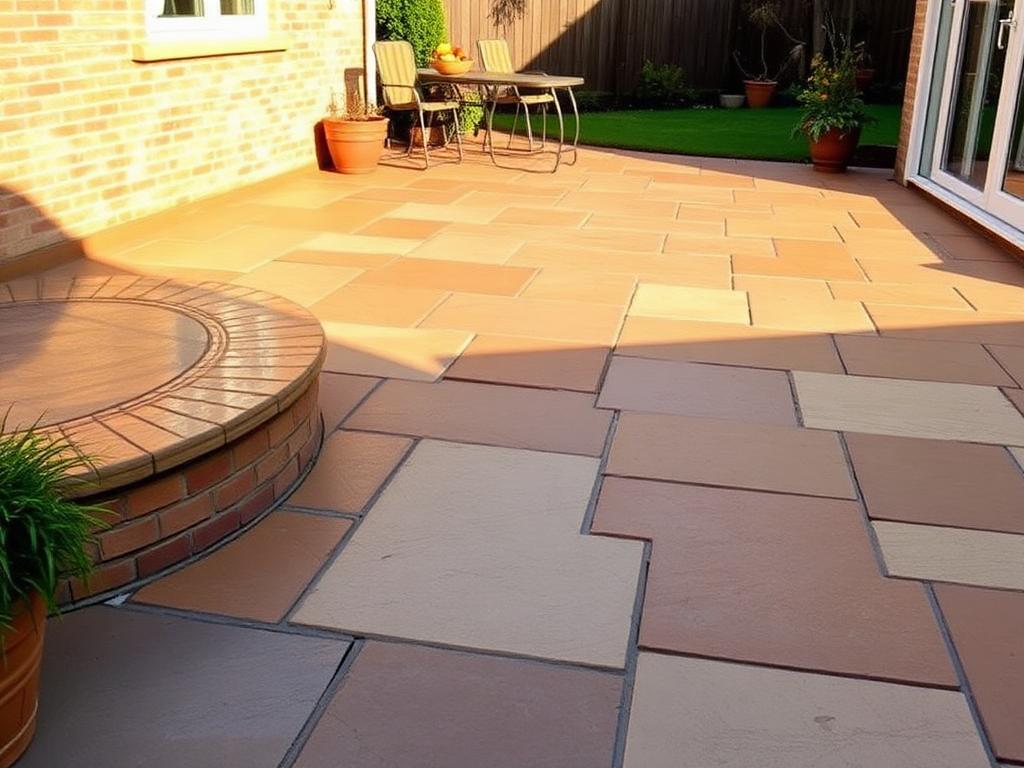
Black spot, algae and weathering removed from natural stone without bruising the surface or blowing out the pointing, so the patio you entertain on looks like the one you chose in the showroom, with fixed pricing agreed up front.
View service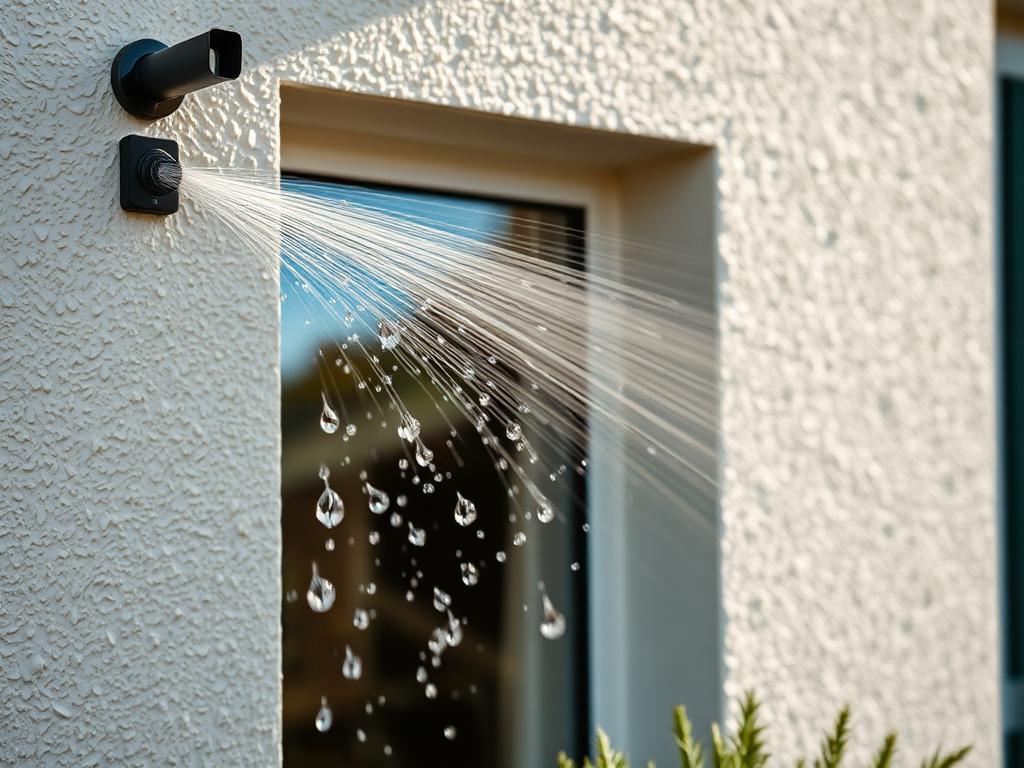
Soft Washing
Algae, mould and organic staining removed from render, brick, cladding and delicate substrates at a fraction of the pressure: killing the growth at the root so the elevation stays clean for years rather than weeks.
View service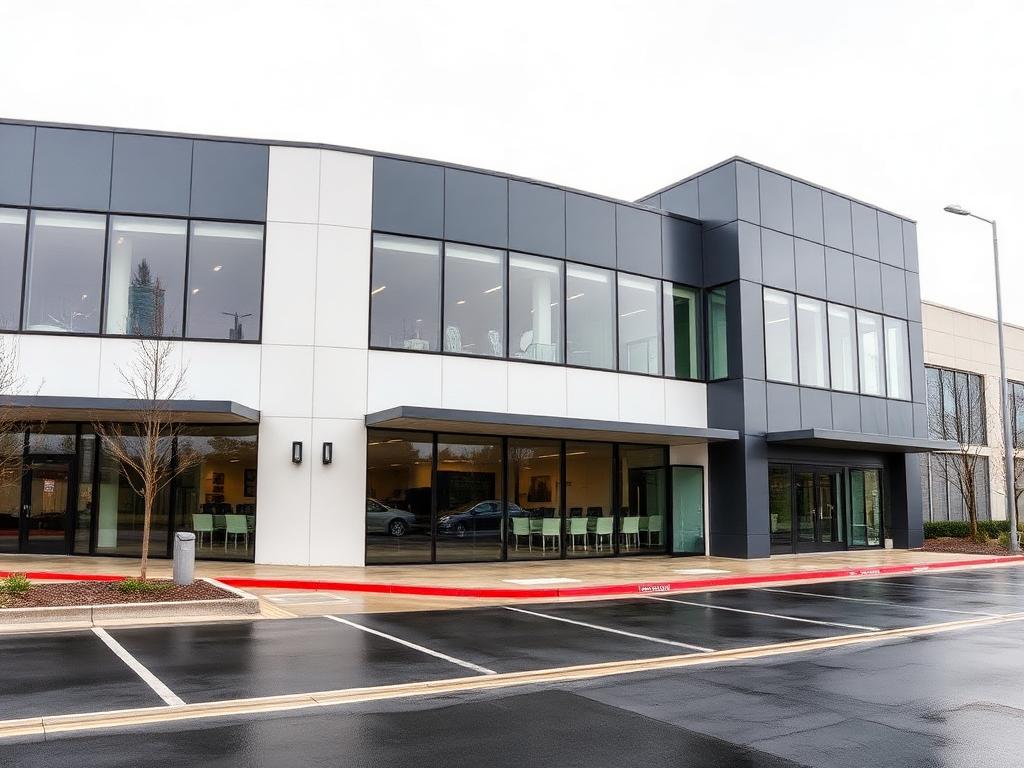
Commercial Exterior Cleaning
Forecourts, elevations, car parks and entrances cleaned on a schedule that fits your trading hours: reducing slip liability and presenting a building your customers, guests and inspectors judge you by, all under fixed itemised pricing.
View serviceBack to the homepage for our full range of exterior cleaning services across Cheshire and the North West.
Get your driveway back to how it looked when it was laid.
Send a few photographs and we will return fixed, itemised pricing: no site visit needed for most driveways, no obligation, and no pressure.
- Fully insured & DBS checked
- Fixed, itemised pricing
- Before-and-after photos every job